





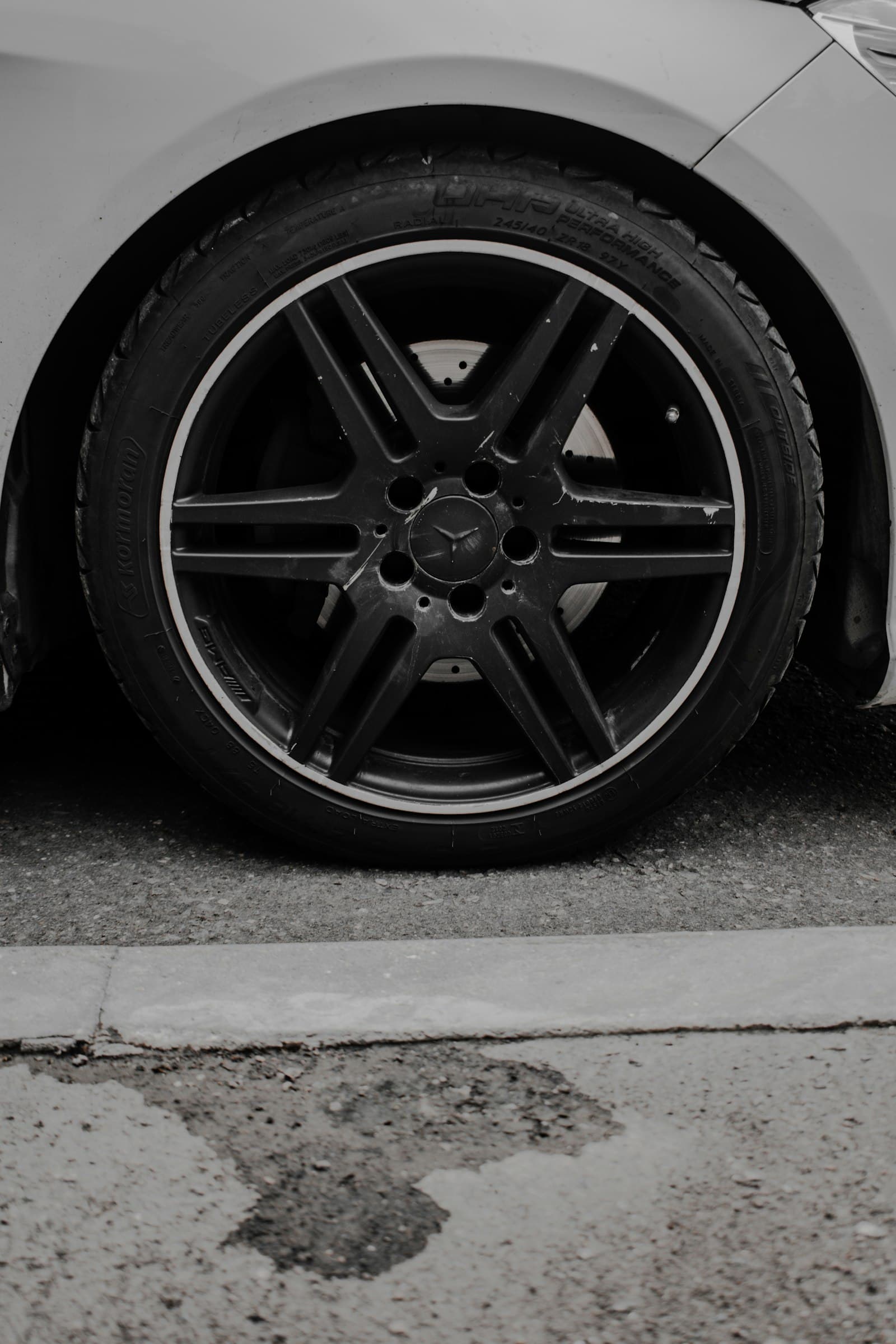
More and more cars come without a spare wheel but with run-flat tyres. What exactly are they, and what should you know?
What is a run-flat tyre?
A run-flat tyre has reinforced sidewalls. After a puncture the tyre doesn't collapse completely, so you can drive on for a limited distance. You recognise them by codes such as RFT, ROF, SSR, ZP or DSST on the sidewall.
How far can you still drive?
It depends on the manufacturer, but usually about 80 km at up to 80 km/h. Enough to safely reach a garage or tyre centre. Check your owner's manual for the exact values.
Pros
- No changing a wheel at the side of the road.
- More stability during a sudden puncture.
- No spare wheel needed: more space and less weight.
Cons
- Slightly less comfortable because of the stiff sidewalls.
- More expensive than normal tyres.
- After driving flat, a repair is often no longer possible.
Pressure sensor required
Because you hardly feel a flat run-flat tyre, your car must have a tyre pressure monitoring system (TPMS). It warns you when air escapes.
Can you replace run-flats with normal tyres?
You can, but then you have no solution for a puncture. Carry a spare wheel or a tyre repair kit. Some cars also have suspension tuned for run-flats.
We supply and fit run-flat tyres for every make.


