





The rule of thumb is simple: as soon as temperatures stay below 7 °C, it is time for winter tyres. In Belgium that is usually from late October or early November.
Why 7 °C?
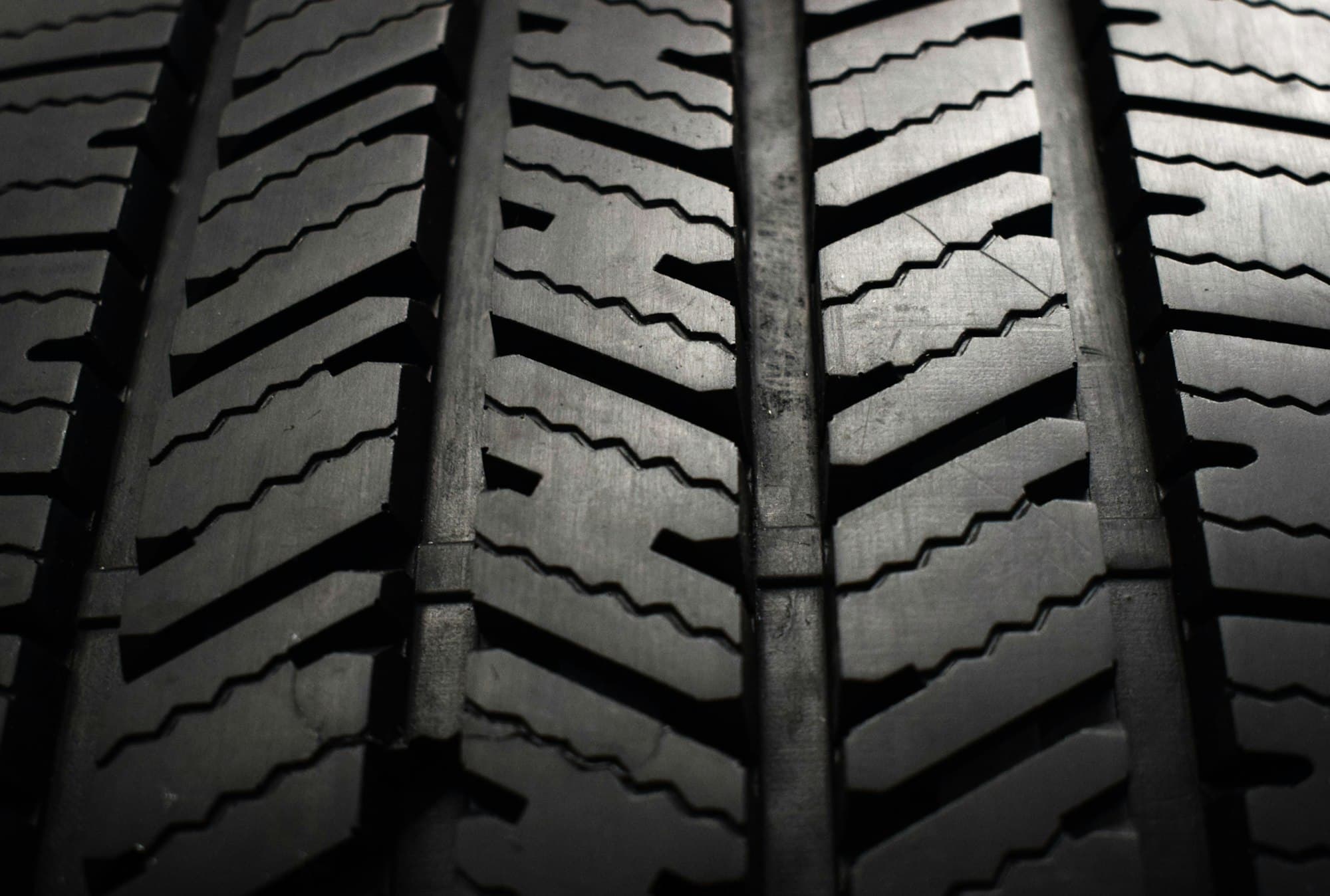
Summer tyres use a rubber compound that performs well in warm weather. Below 7 °C that rubber hardens and grip drops. Winter tyres use a softer compound and a deep tread with sipes, so they grip better in the cold, even without snow.
A handy reminder
Many drivers use "O to O": from October to Easter (Ostern in German) on winter tyres. It is not a law, but it matches the cold period well.
When to switch back?
When daytime temperatures stay above 7 °C again, usually in March or April. Winter tyres in summer wear faster, increase your braking distance and raise fuel consumption.
Tips to avoid the rush
- Don't wait for the first snow forecast: then everyone turns up at the same time.
- Check your winter tyres before fitting: at least 4 mm of tread and no older than six to eight years.
- Are your winter tyres already on separate rims? Then the change is even quicker.
Not sure your winter tyres are still good? Bring them along when you change over and we'll check them for free.