In Belgium you may drive on summer tyres in winter. In cold temperatures, though, it is not a good idea. Here is why.
What happens to a summer tyre in the cold?
A summer tyre is made of a rubber compound that stays flexible in warm weather. Below about 7 °C that rubber hardens. A hard tyre adapts less well to the road surface, which means less grip.
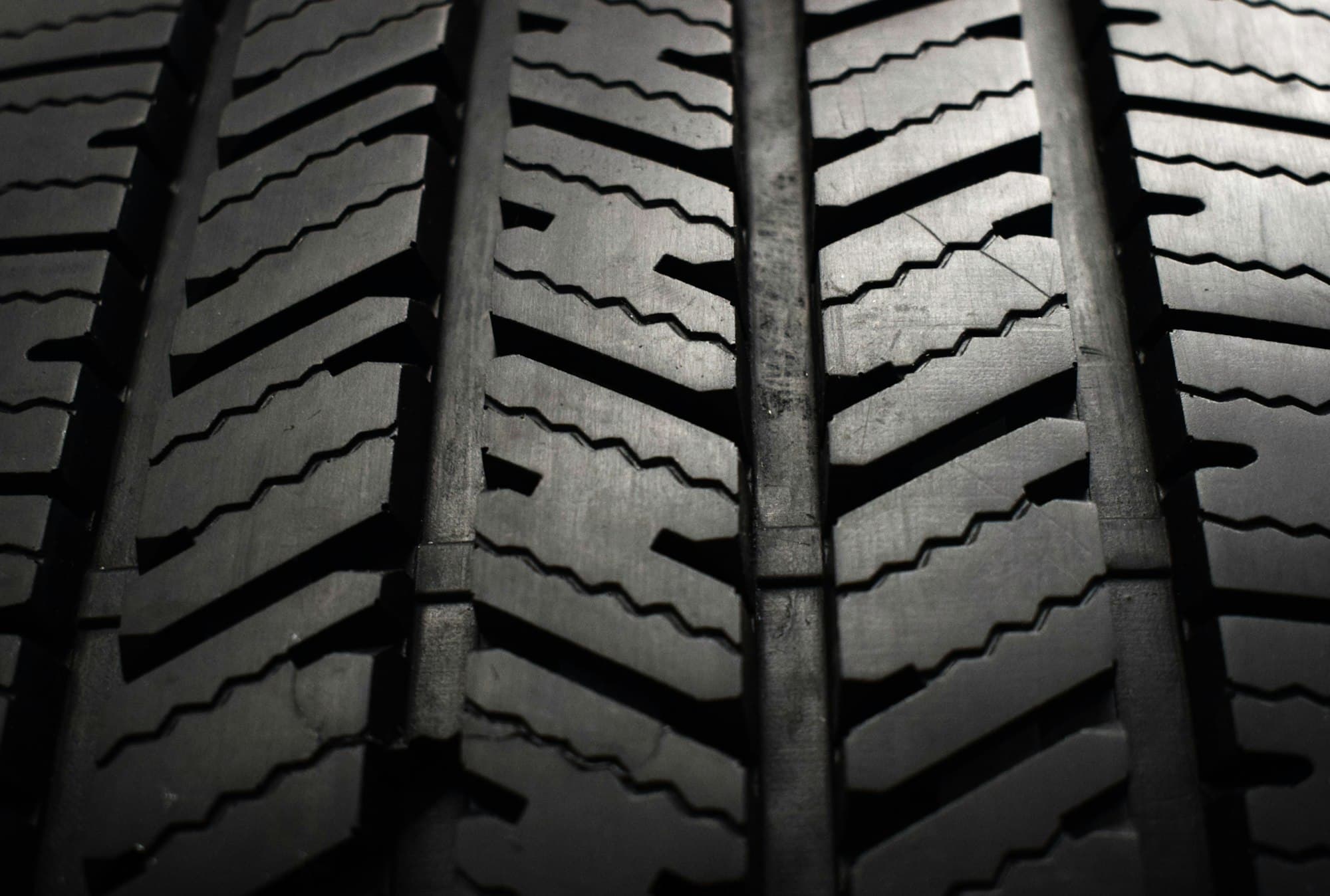
A summer tyre also has shallower grooves and no sipes. Snow and slush struggle to clear, and on a snowy or icy road you quickly lose control.
What does that mean in practice?
- Longer braking distance: on snow it can be up to twice as long as with winter tyres.
- Less grip in corners: your car slides sooner.
- Harder to pull away: especially uphill or with a rear-wheel-drive car.
What about ABS and ESP?
Modern driver aids help, but they can't create grip that isn't there. ABS and ESP work with the grip your tyres provide.
And your insurance?
After an accident on summer tyres in winter, an insurer may in some cases ask whether your car was in proper condition. Tyres in poor condition or with too little tread are always a risk.
Don't want two sets of tyres? All-season tyres with the 3PMSF symbol are a safe alternative.