




Every autumn we get the same question: do I have to fit winter tyres? The short answer: in Belgium it is not mandatory. We still recommend it, and some neighbouring countries have different rules.
The rules in Belgium
Belgium has no winter tyre obligation. You may drive all year on summer, winter or all-season tyres, as long as they are in good condition and have at least 1.6 mm of tread.
Do your winter tyres have a lower speed rating than the one on your certificate of conformity? Then you must put a sticker with the maximum speed where you can see it as the driver.
So why fit winter tyres?
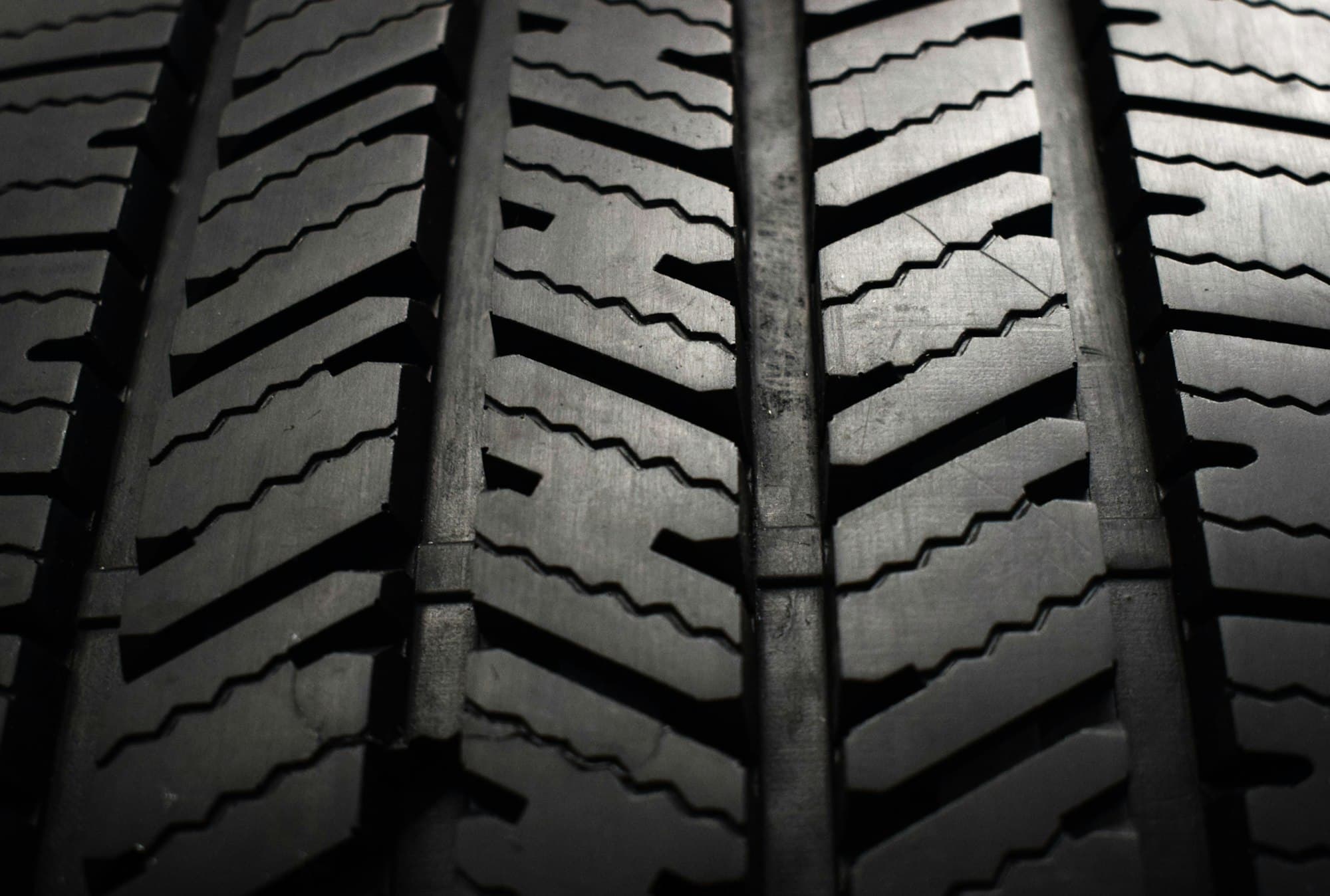
Below 7 °C the rubber of a summer tyre hardens. That means less grip, even on a dry road. A winter tyre stays flexible and has sipes that bite into snow and wet leaves. On a snowy road, your braking distance on summer tyres can be up to twice as long.
Driving abroad
- Germany: in wintry conditions (snow, black ice, slush) you need tyres with the mountain-and-snowflake symbol (3PMSF).
- Luxembourg: also a situational obligation in winter weather.
- France: in the mountain areas covered by the Loi Montagne, you need winter tyres from 1 November to 31 March, or snow chains or snow socks in the boot.
- Austria: winter tyres in wintry conditions from 1 November to 15 April.
Rules can change. Always check the current rules for your destination before you leave.
Our advice
If you drive little and mostly locally, all-season tyres with the 3PMSF symbol are a good middle ground. If you drive a lot, early in the morning or go on ski trips, proper winter tyres remain the safest choice.