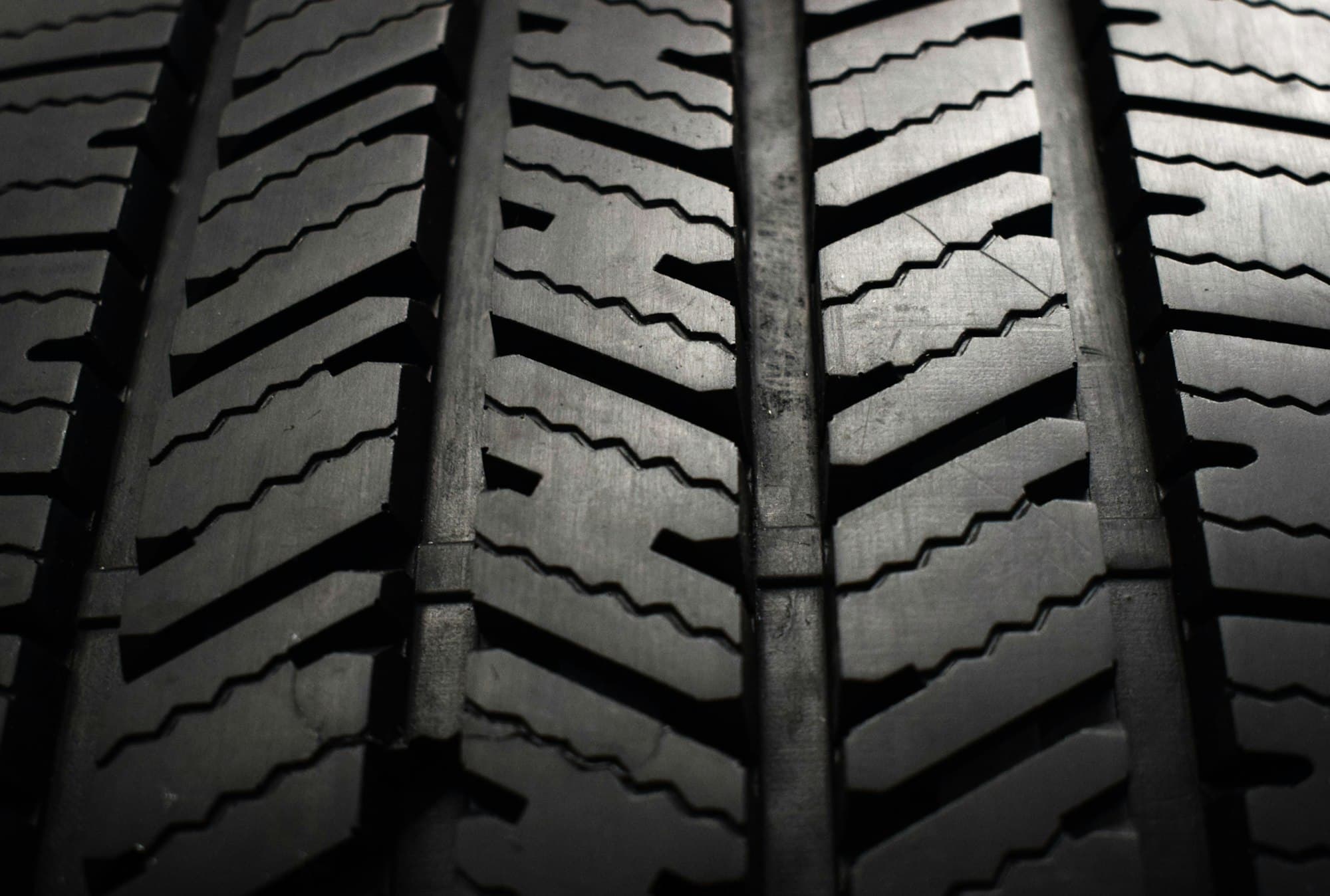
A tyre loses a little air every month, even when nothing is wrong. With low pressure you brake worse, use more fuel and wear your tyres faster.
How often?
- At least once a month.
- Before a long trip or when your car is heavily loaded.
- After a big drop in temperature: every 10 °C colder lowers pressure by about 0.1 bar.
Where do you find the right value?
The correct pressure is usually:
- on a sticker in the driver's door frame,
- inside the fuel flap,
- in your car's owner's manual.
There are often two values: one for normal use and one for a full load.
How to check the pressure
- 1Measure with cold tyres if possible, after driving no more than a few kilometres.
- 2Unscrew the valve cap.
- 3Put the pressure gauge on the valve and read the value.
- 4Inflate or let air out until it is right.
- 5Don't forget the spare wheel, if you have one.
Too much or too little air
- Too little: the tyre wears on the shoulders, heats up and can even burst.
- Too much: the tyre wears in the middle and you have less grip.
Does the TPMS warning light come on on your dashboard? Check your tyre pressure straight away.